LiFePO4 vs NMC Battery: Chemistry Choice for B2B Projects
LiFePO4 vs NMC Battery: Chemistry Choice for B2B Projects covering LiFePO4 vs NMC, battery chemistry, safe lithium battery, cycle life for Tuorde lithium battery procurement and project inquiry.
Chemistry compare · 2026-07-03 · LiFePO4 vs NMC
LiFePO4 vs NMC Battery: Chemistry Choice for B2B Projects
A useful battery RFQ starts with application conditions, electrical targets, mechanical limits, compliance needs and expected purchase quantity.
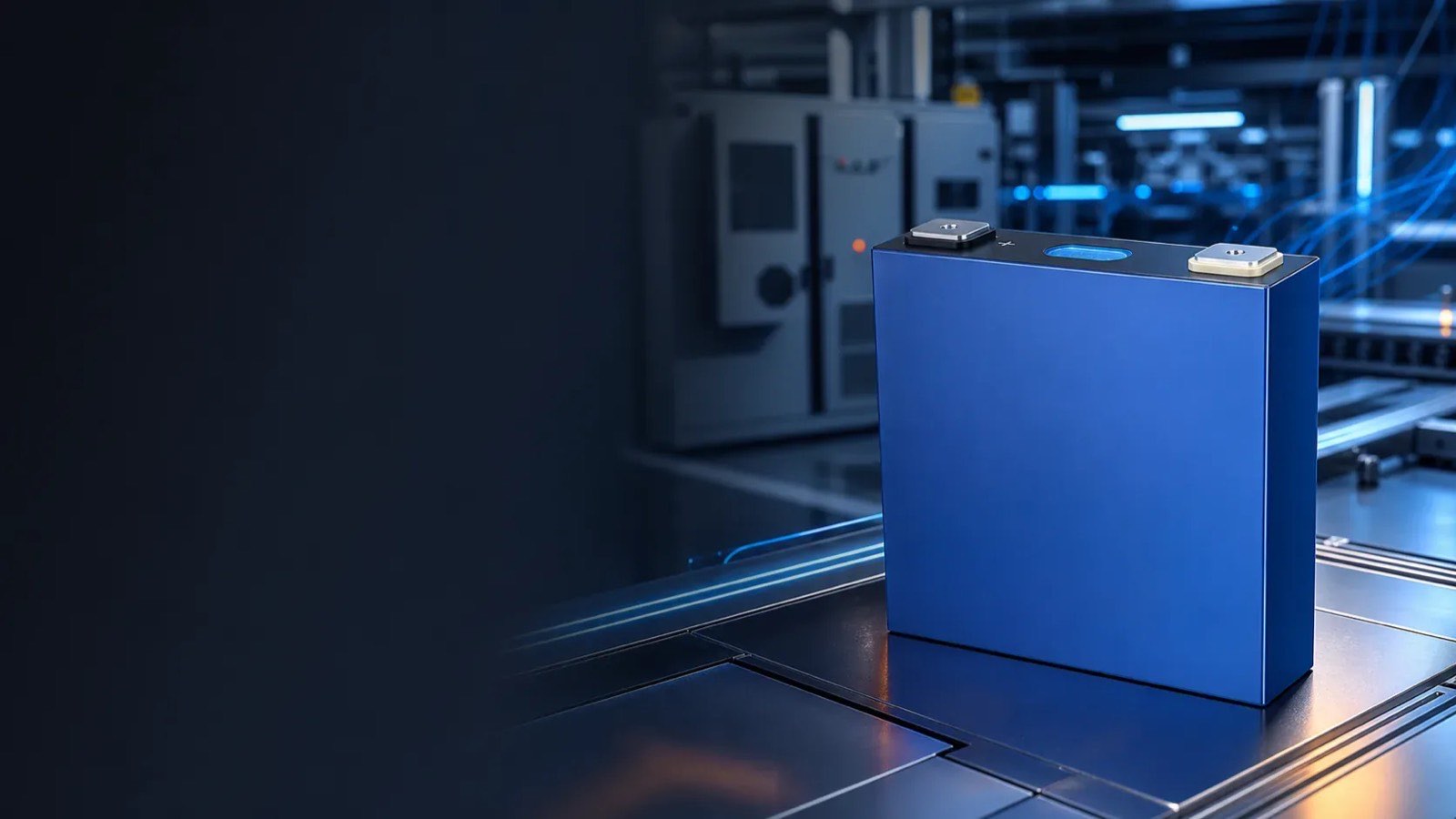
LiFePO4 battery pack visual reference for ESS, telecom backup, medical and mobility projects.
LiFePO4 vs NMC
battery chemistry
safe lithium battery
cycle life
Key topics
In project sourcing, LiFePO4 vs NMC matters because buyers no longer compare batteries only by nominal capacity. They also compare chemistry, BMS logic, cycle life, communication protocol, enclosure design, certifications, delivery documents and the ability to support repeat orders. For ESS, telecom backup, medical and mobility projects, a precise requirement sheet reduces back-and-forth and helps the supplier recommend the correct cell, module and PACK structure.
The first decision is application fit. A battery for ESS, telecom backup, medical and mobility projects should be described by load behavior, installation space, temperature range, charging method and expected service life. If the load has peak current, long standby time or outdoor exposure, those details are more important than a simple amp-hour number. Buyers should also state whether the project needs standard models, OEM dimensions or ODM development.
The second decision is electrical architecture. Confirm nominal voltage, capacity, continuous discharge current, peak current, charging voltage and communication interface. For LiFePO4 systems, BMS matching is central: over-charge protection, over-discharge protection, short-circuit protection, balancing, temperature sensors and communication such as RS485, CAN or Modbus can change both cost and integration risk.
The third decision is commercial and compliance readiness. A serious RFQ should include quantity, destination market, target certification, packaging requirement and delivery schedule. For export projects, documents such as UN38.3, MSDS and transportation reports may affect shipment timing. For brand or distributor projects, stable product naming, clear datasheets and clear specifications also make product review and team communication easier.
Before inquiry: define the “LiFePO4 vs NMC” requirement clearly, then confirm electrical, mechanical, certification and delivery details before requesting a quotation.
Procurement checklist
Voltage, capacity, current and runtime target
Battery chemistry, cell grade and cycle-life expectation
BMS protection, communication and parallel requirements
Enclosure size, connector, mounting and IP rating
Certification, label, packaging and shipment documents
Requirement area
What to confirm
Voltage
Voltage, capacity, current and runtime target
Battery chemistry
Battery chemistry, cell grade and cycle-life expectation
BMS protection
BMS protection, communication and parallel requirements
Enclosure size
Enclosure size, connector, mounting and IP rating
Certification
Certification, label, packaging and shipment documents
FAQ
What information should I send for LiFePO4 battery pack?
磷酸铁锂电池 PACK visual reference for ESS, telecom backup, medical and mobility projects.
LiFePO4 vs NMC
battery chemistry
safe lithium battery
cycle life
核心要点
在项目采购中,LiFePO4 vs NMC 不应只比较标称容量,而是同时关注电芯体系、BMS 逻辑、循环寿命、通信协议、结构外壳、认证文件和批量供货能力。对于 ESS, telecom backup, medical and mobility projects,清晰的规格表可以减少反复沟通,让供应商更快判断电芯、模组和 PACK 结构。
第一步是确认应用场景。用于 ESS, telecom backup, medical and mobility projects 的电池,需要说明负载特征、安装空间、温度范围、充电方式和预期寿命。如果设备存在峰值电流、长时间待机或户外环境,相关信息往往比单纯 Ah 数值更重要。采购方也应说明是标准型号、OEM 尺寸还是 ODM 开发。
LiFePO4 vs NMC battery: выбор химии для B2B проектов
Хороший RFQ по батарее начинается с применения, электрических целей, механики, требований рынка и количества.
LiFePO4 battery pack visual reference for ESS, telecom backup, medical and mobility projects.
LiFePO4 vs NMC
battery chemistry
safe lithium battery
cycle life
Ключевые темы
В проектных закупках LiFePO4 vs NMC важно оценивать не только по емкости. Важны химия ячеек, логика BMS, ресурс циклов, протокол связи, корпус, сертификаты и стабильность поставок. Для сценариев ESS, telecom backup, medical and mobility projects точная спецификация помогает поставщику быстрее выбрать ячейку, модуль и структуру PACK.
Сначала нужно описать применение: профиль нагрузки, место установки, температуру, способ зарядки и ожидаемый срок службы. Если есть пиковый ток, длительный standby или улица, эти данные важнее простого значения Ah. Также стоит указать, нужен стандартный продукт, OEM размер или ODM разработка.
Затем уточняют электрическую архитектуру: номинальное напряжение, емкость, постоянный и пиковый ток, зарядное напряжение и интерфейсы связи. Для LiFePO4 систем BMS критична: защита от перезаряда, переразряда, КЗ, балансировка, датчики температуры, RS485, CAN или Modbus.
Коммерческая часть RFQ должна включать количество, рынок назначения, сертификаты, упаковку и сроки. Для экспорта важны UN38.3, MSDS и транспортные документы. Для проекта полезны стабильное название продукта, таблицы характеристик и понятные связанные материалы.
Перед запросом: четко опишите требование “LiFePO4 vs NMC”, затем уточните электрические, механические, сертификационные и логистические детали.
Чек-лист закупки
Напряжение, емкость, ток и целевое время работы
Химия, класс ячейки и ожидаемый ресурс
Защита BMS, связь и параллельная работа
Корпус, разъем, монтаж и IP rating
Сертификаты, маркировка, упаковка и документы
Requirement area
What to confirm
Напряжение
Напряжение, емкость, ток и целевое время работы
Химия
Химия, класс ячейки и ожидаемый ресурс
Защита BMS
Защита BMS, связь и параллельная работа
Корпус
Корпус, разъем, монтаж и IP rating
Сертификаты
Сертификаты, маркировка, упаковка и документы
FAQ
Какие данные отправить для LiFePO4 battery pack?
Укажите применение, напряжение, емкость, ток, размеры, BMS, сертификаты, количество и рынок.
Что проверить перед запросом цены?
Проверьте применение, напряжение, емкость, ток, BMS, корпус, сертификаты, количество и рынок назначения.
Отправить требования проекта
Укажите напряжение, емкость, профиль нагрузки, сертификацию и количество. Tuorde поможет подобрать продукт и направление цены.
مقایسه LiFePO4 و NMC: انتخاب شیمی باتری برای پروژه B2B
یک RFQ مفید برای باتری از کاربرد، اهداف الکتریکی، محدودیت مکانیکی، الزامات بازار و تعداد شروع میشود.
LiFePO4 battery pack visual reference for ESS, telecom backup, medical and mobility projects.
LiFePO4 vs NMC
battery chemistry
safe lithium battery
cycle life
موضوعات اصلی
در خرید پروژه، LiFePO4 vs NMC فقط با ظرفیت اسمی قابل مقایسه نیست. شیمی سلول، منطق BMS، عمر چرخه، پروتکل ارتباط، محفظه، گواهیها و توان تامین تکرارشونده نیز مهم است. برای کاربردهای ESS, telecom backup, medical and mobility projects، برگه مشخصات دقیق باعث کاهش رفتوبرگشت و انتخاب سریعتر سلول، ماژول و ساختار PACK میشود.
قدم اول شرح کاربرد است: پروفایل بار، فضای نصب، دمای محیط، روش شارژ و عمر مورد انتظار. اگر بار پیک جریان، آمادهبهکار طولانی یا نصب بیرونی دارد، این دادهها از عدد Ah مهمتر میشوند. همچنین باید مشخص شود محصول استاندارد، اندازه OEM یا توسعه ODM لازم است.
قدم دوم معماری الکتریکی است: ولتاژ نامی، ظرفیت، جریان پیوسته و پیک، ولتاژ شارژ و رابط ارتباطی. در سیستم LiFePO4، تطبیق BMS مهم است؛ حفاظت شارژ/دشارژ، اتصال کوتاه، بالانس، سنسور دما و ارتباط RS485، CAN یا Modbus روی هزینه و ریسک اثر دارد.
در بخش تجاری RFQ، تعداد، بازار مقصد، گواهی، بستهبندی و زمان تحویل را بیاورید. برای صادرات، UN38.3، MSDS و اسناد حمل اهمیت دارد. برای پروژه، نام محصول، جدول مشخصات و مدارک مرتبط باید شفاف و ساختاریافته باشد.
پیش از استعلام: نیاز “LiFePO4 vs NMC” را شفاف کنید و پیش از استعلام جزئیات الکتریکی، مکانیکی، گواهی و تحویل را تکمیل نمایید.
چکلیست خرید
ولتاژ، ظرفیت، جریان و زمان کارکرد هدف
شیمی باتری، درجه سلول و عمر چرخه
حفاظت BMS، ارتباط و نیاز موازیسازی
محفظه، کانکتور، نصب و رتبه IP
گواهی، لیبل، بستهبندی و اسناد حمل
Requirement area
What to confirm
ولتاژ، ظرفیت، جریان و زمان کارکرد هدف
ولتاژ، ظرفیت، جریان و زمان کارکرد هدف
شیمی باتری، درجه سلول و عمر چرخه
شیمی باتری، درجه سلول و عمر چرخه
حفاظت BMS، ارتباط و نیاز موازیسازی
حفاظت BMS، ارتباط و نیاز موازیسازی
محفظه، کانکتور، نصب و رتبه IP
محفظه، کانکتور، نصب و رتبه IP
گواهی، لیبل، بستهبندی و اسناد حمل
گواهی، لیبل، بستهبندی و اسناد حمل
FAQ
برای LiFePO4 battery pack چه اطلاعاتی ارسال کنم؟
کاربرد، ولتاژ، ظرفیت، جریان، ابعاد، BMS، گواهی، تعداد و بازار مقصد را ارسال کنید.
پیش از قیمتگیری چه مواردی باید بررسی شود؟
کاربرد، ولتاژ، ظرفیت، جریان، BMS، محفظه، گواهی، تعداد و بازار مقصد را بررسی کنید.
ارسال نیاز پروژه
ولتاژ، ظرفیت، پروفایل بار، گواهیها و تعداد را ارسال کنید تا Tuorde مسیر انتخاب محصول و قیمت را پیشنهاد دهد.